POCO PRIMA, SUBITO DOPO
LUCA RUBEGNI
with a text by GAIA BOBÒ
OPENING wednesday 14 october 2026
until 9 january 2027
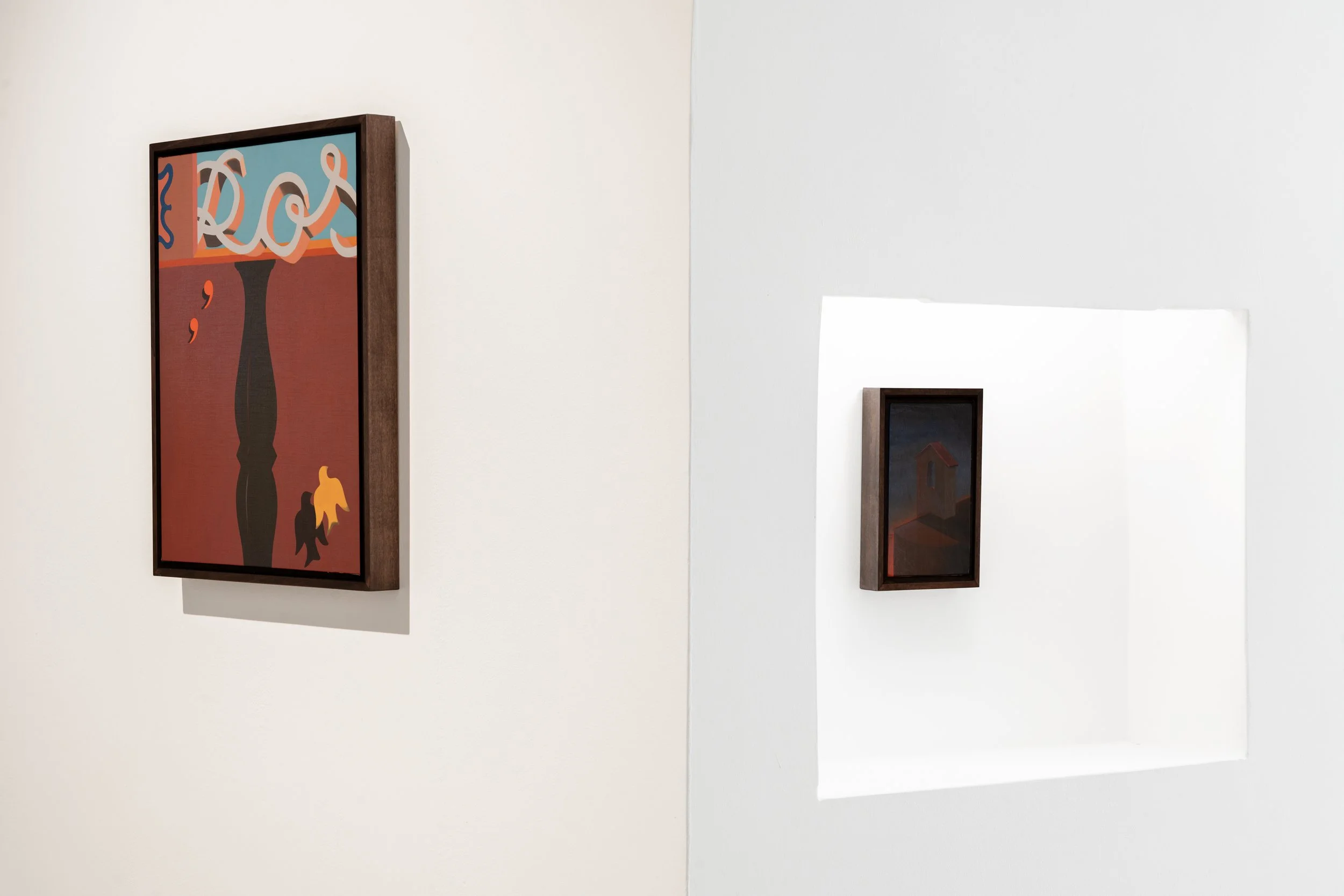
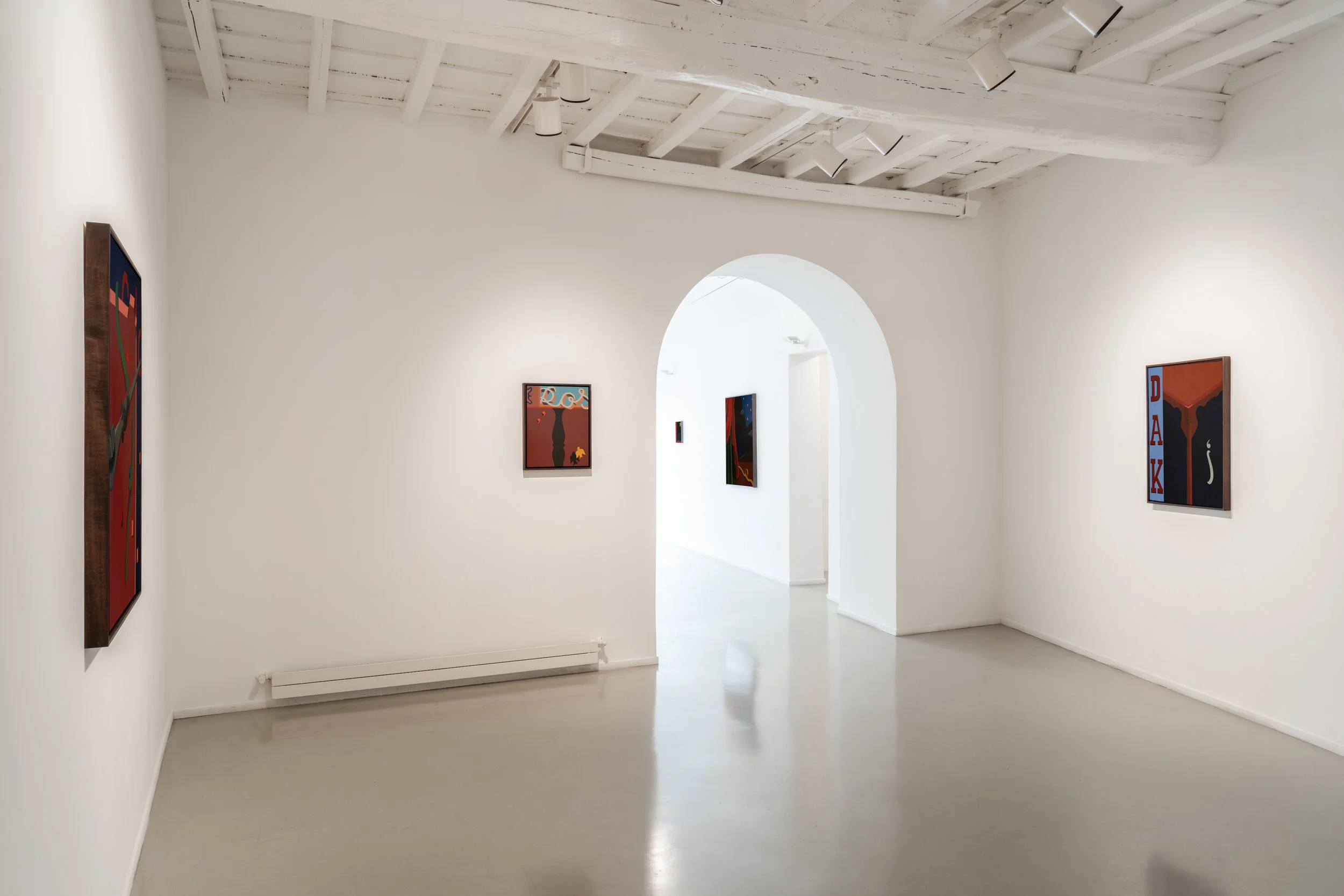
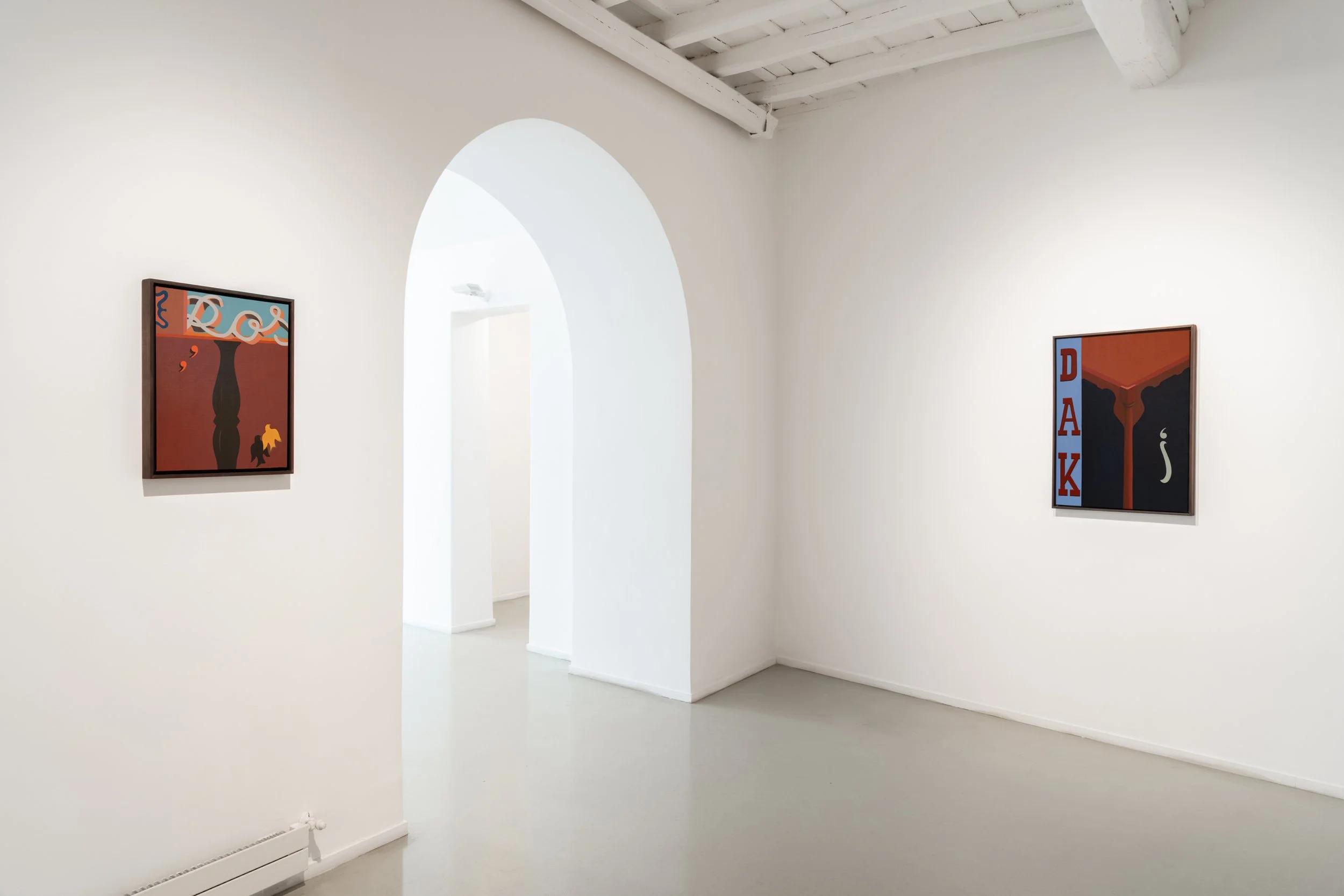
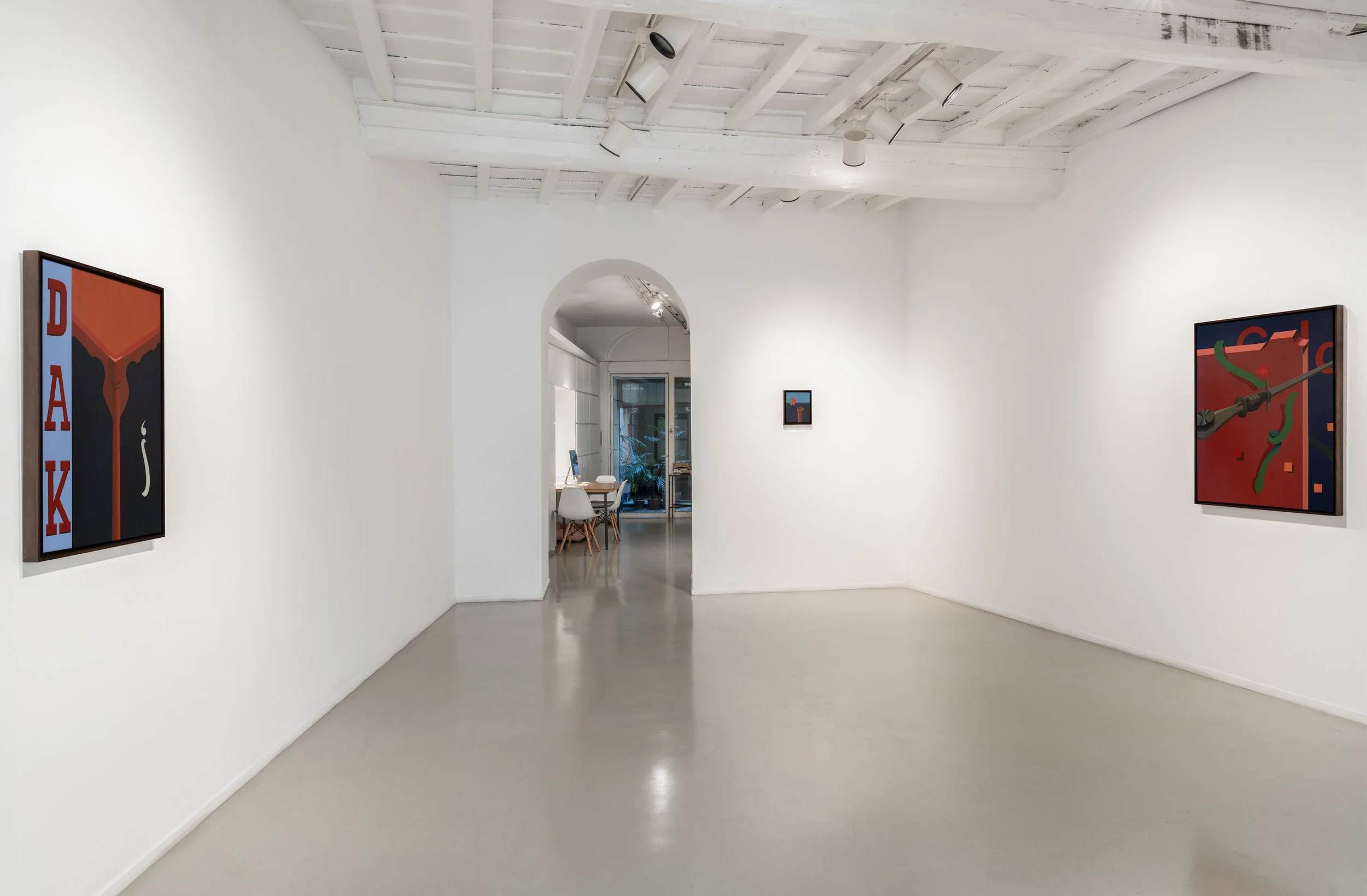
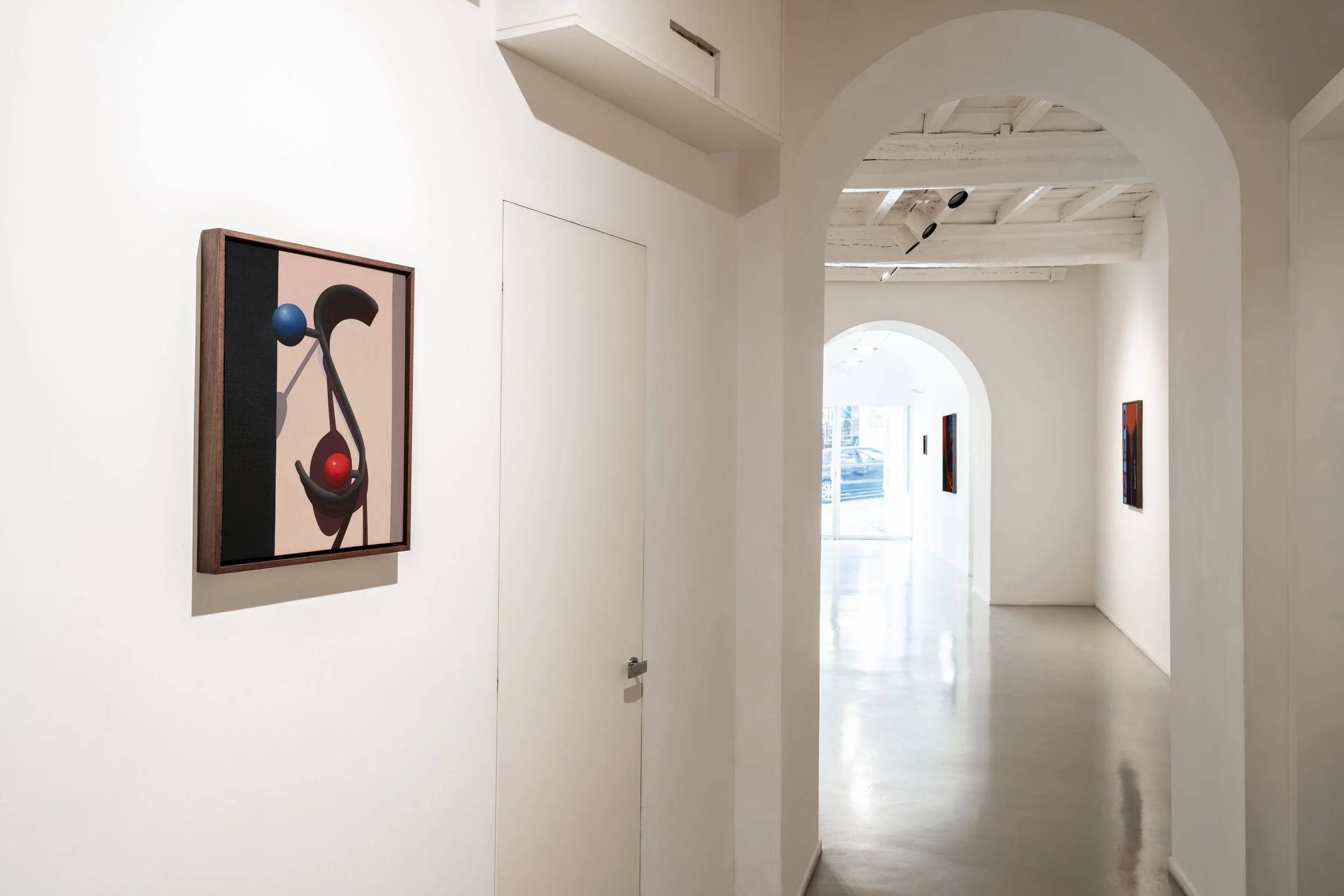
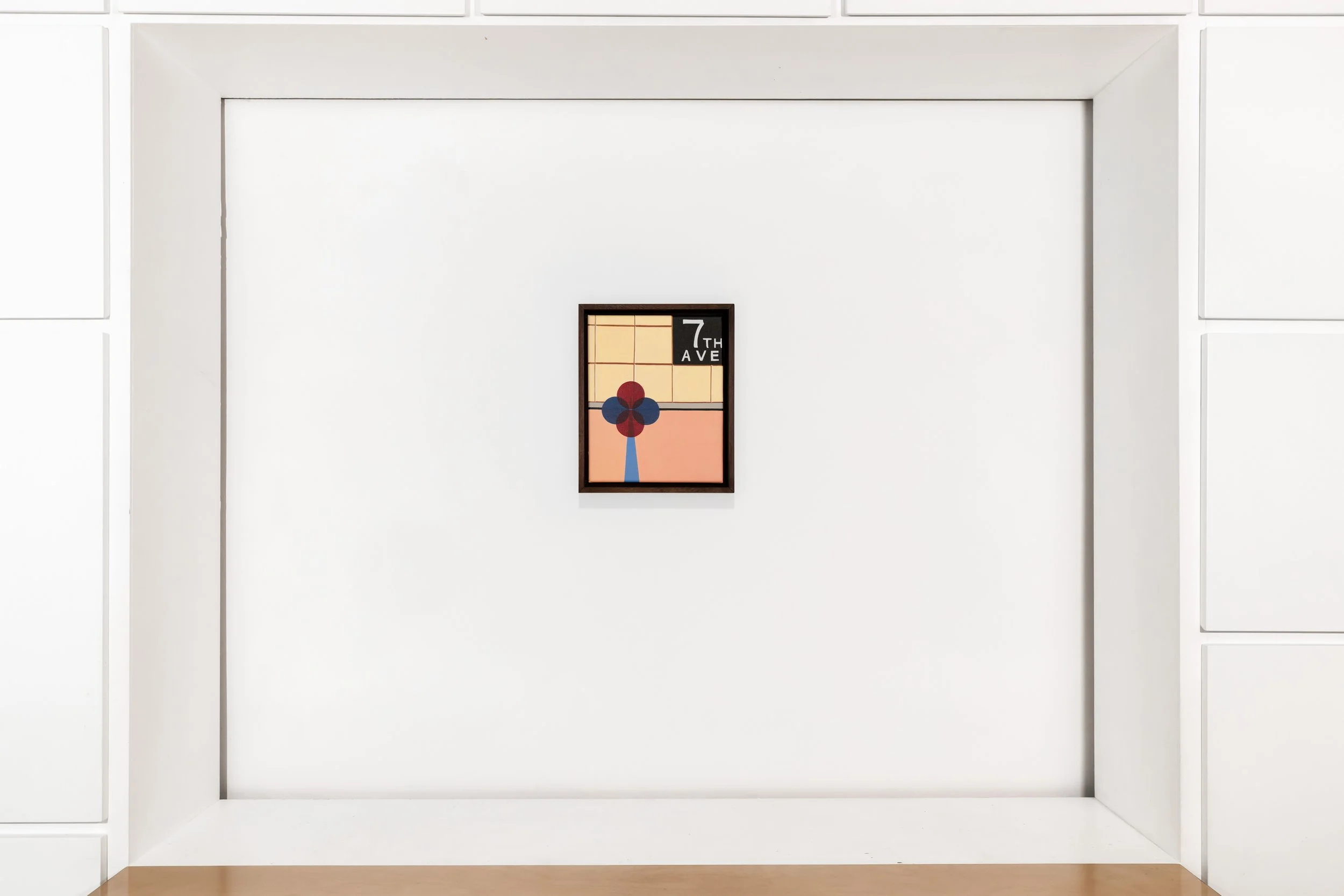
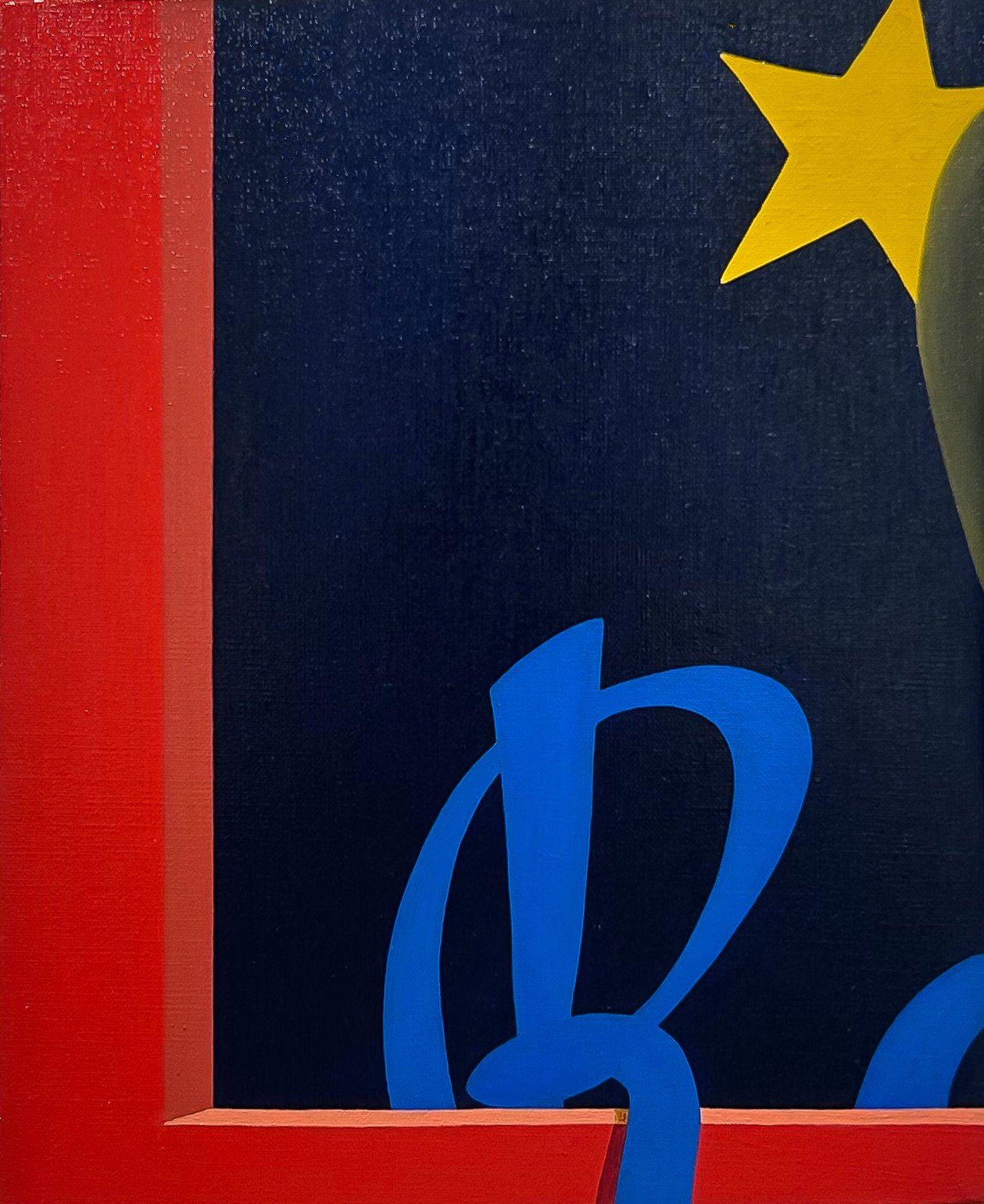
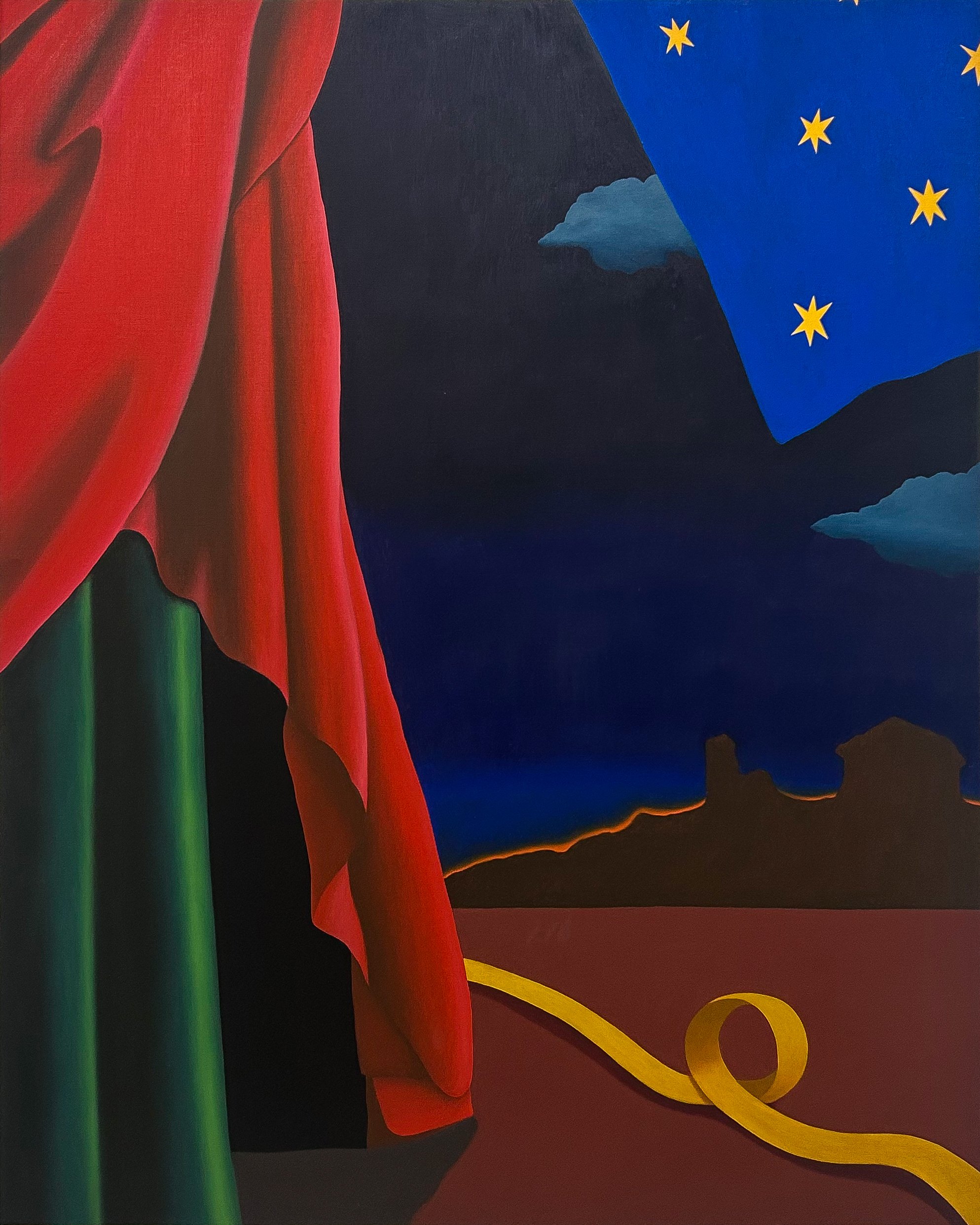
Poco prima, subito dopo
with a text by Gaia Bobò
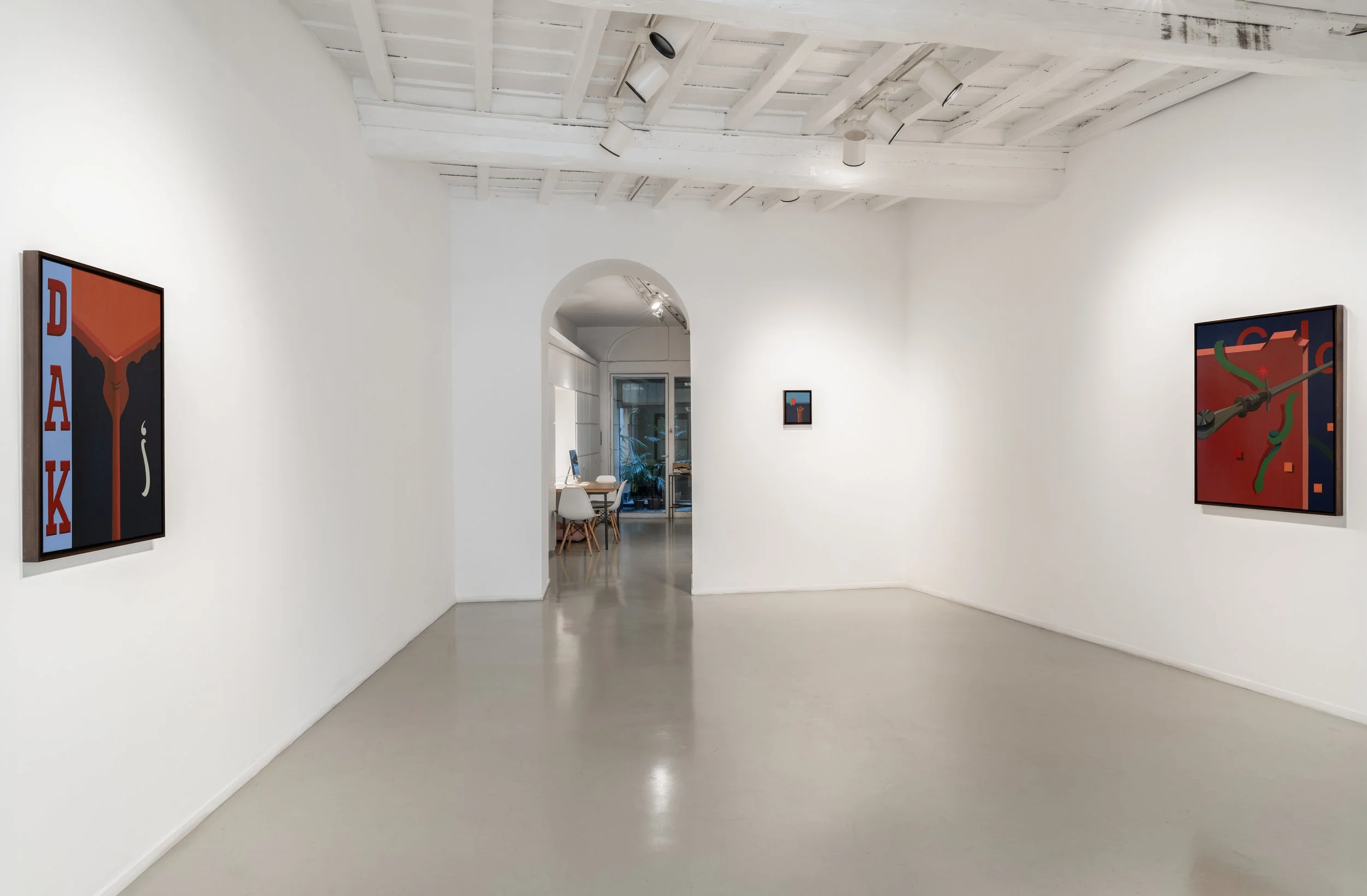
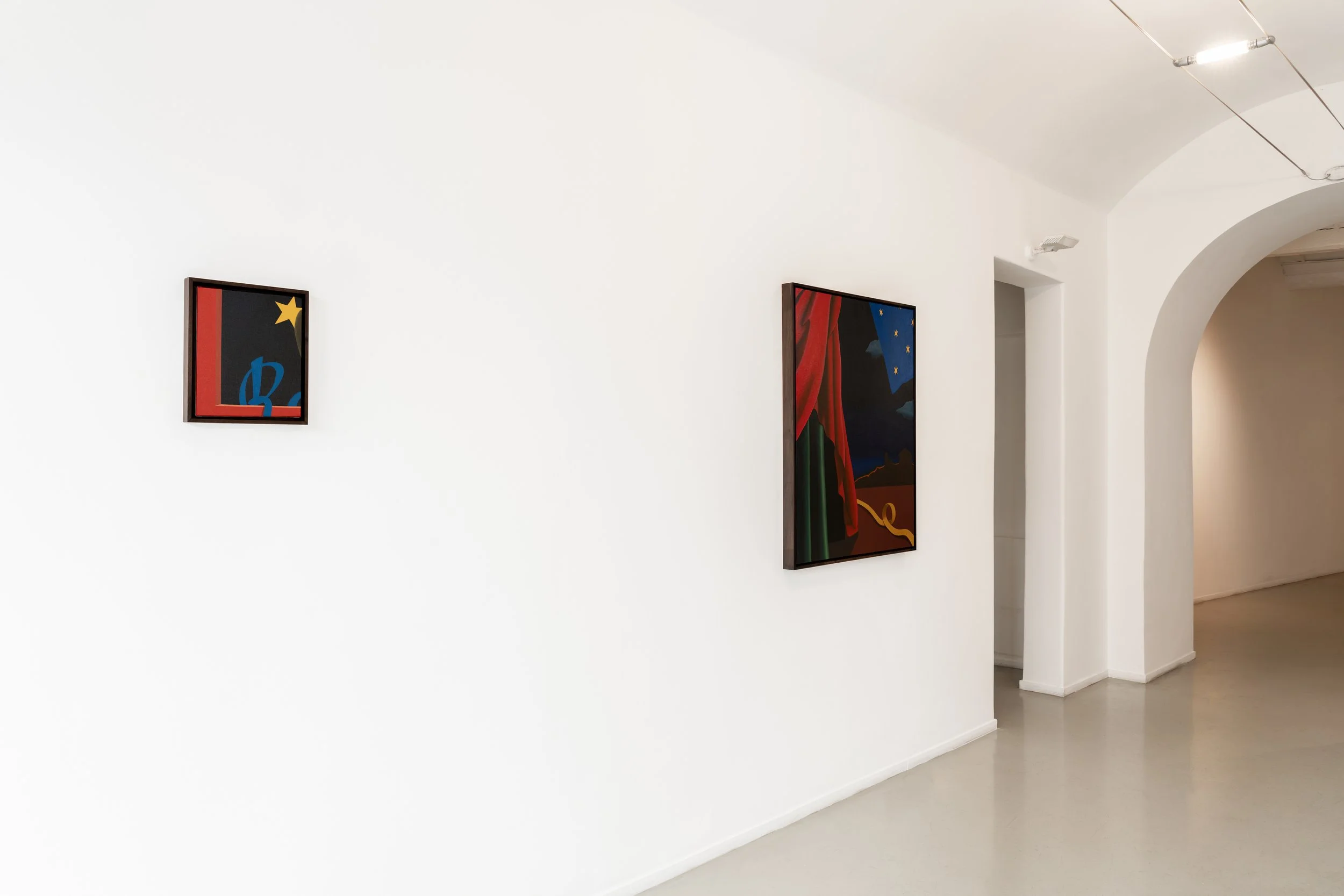
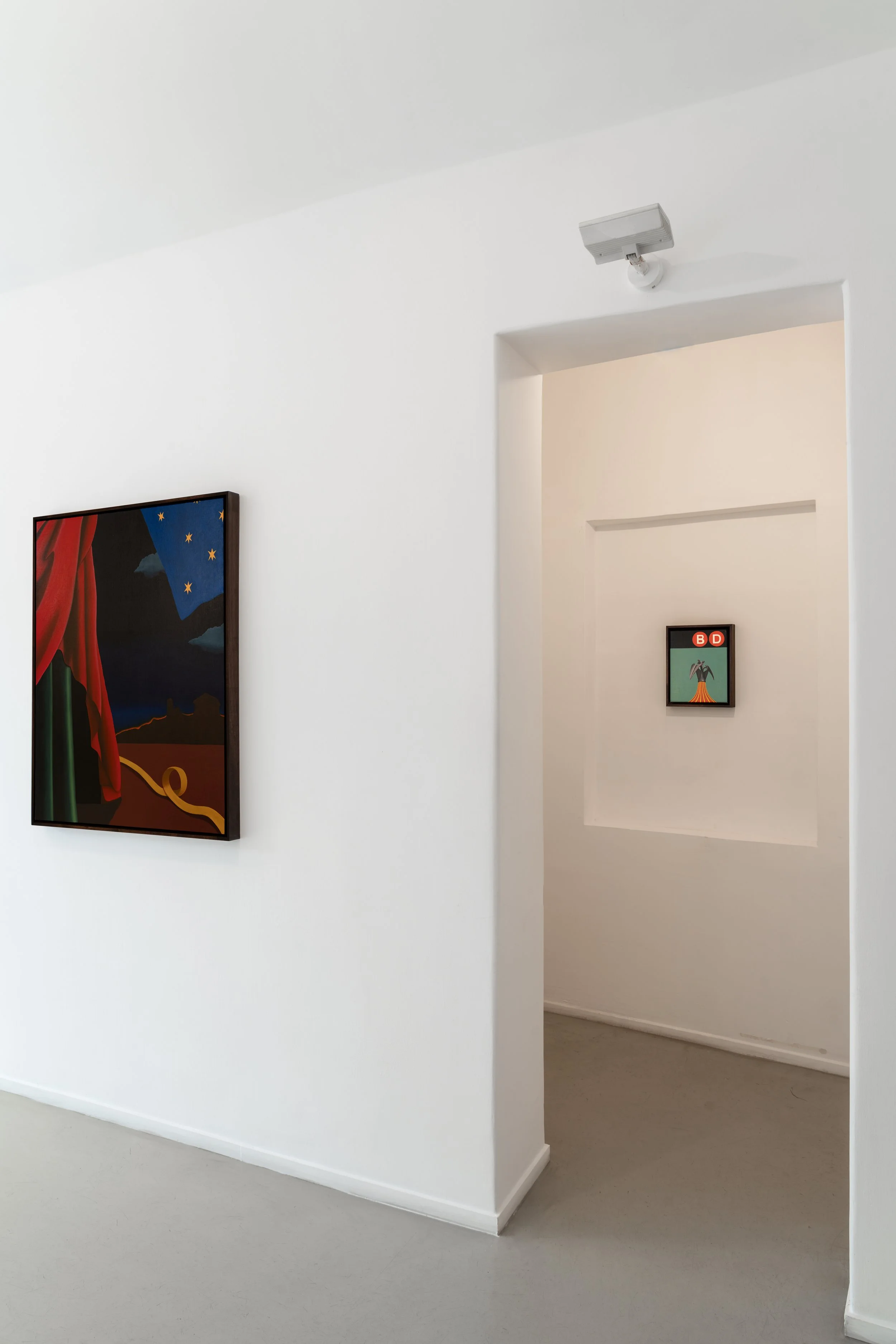
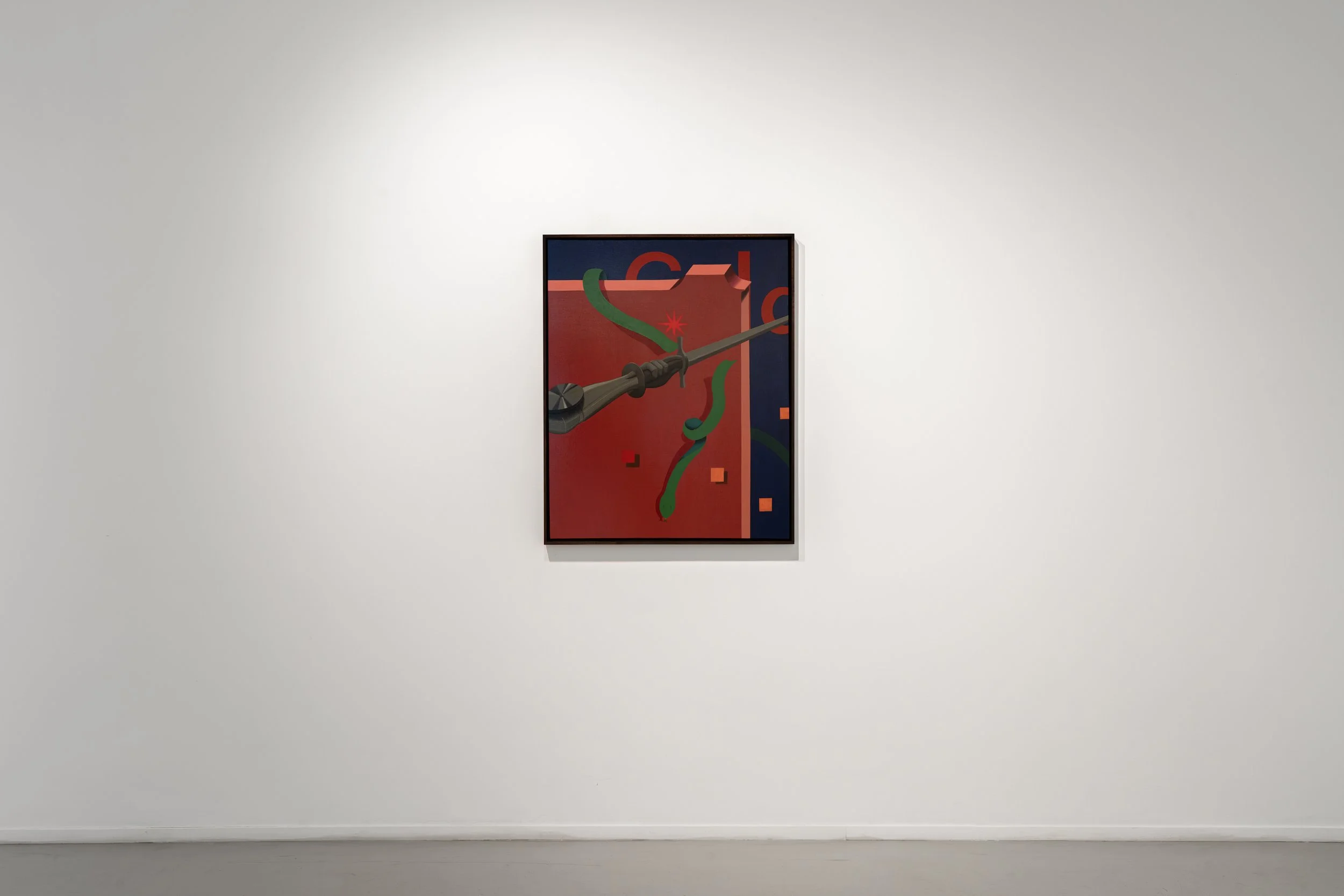
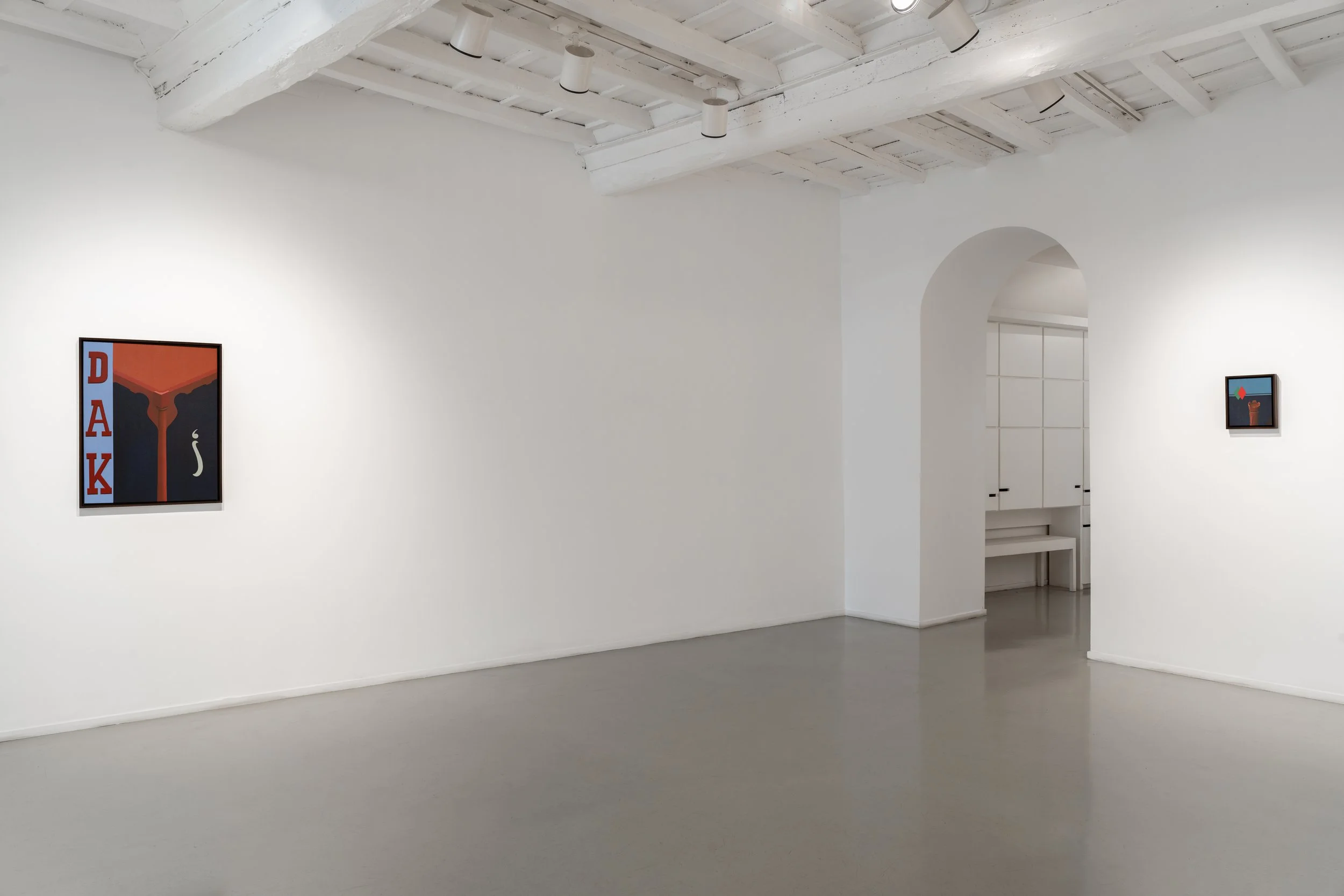
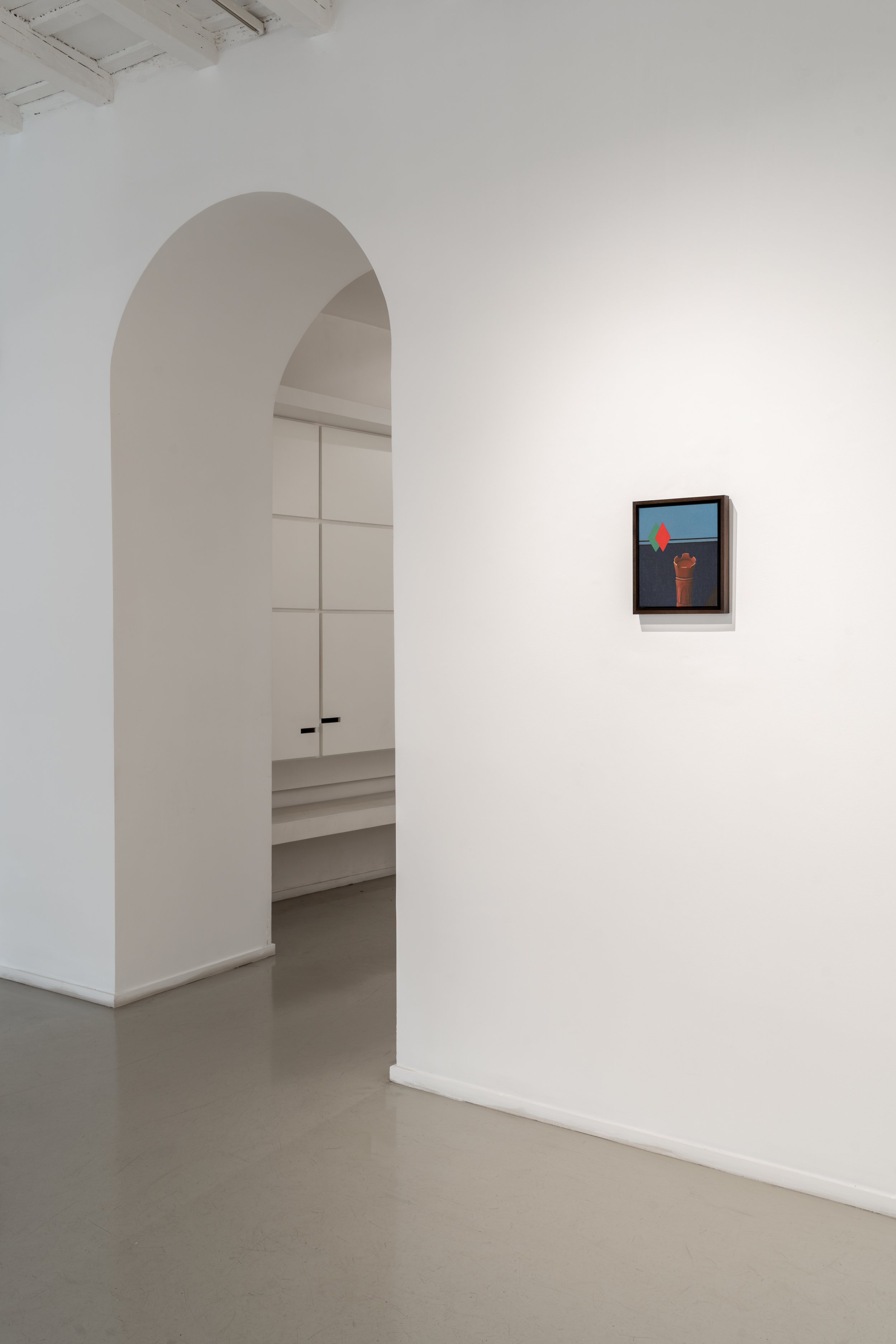
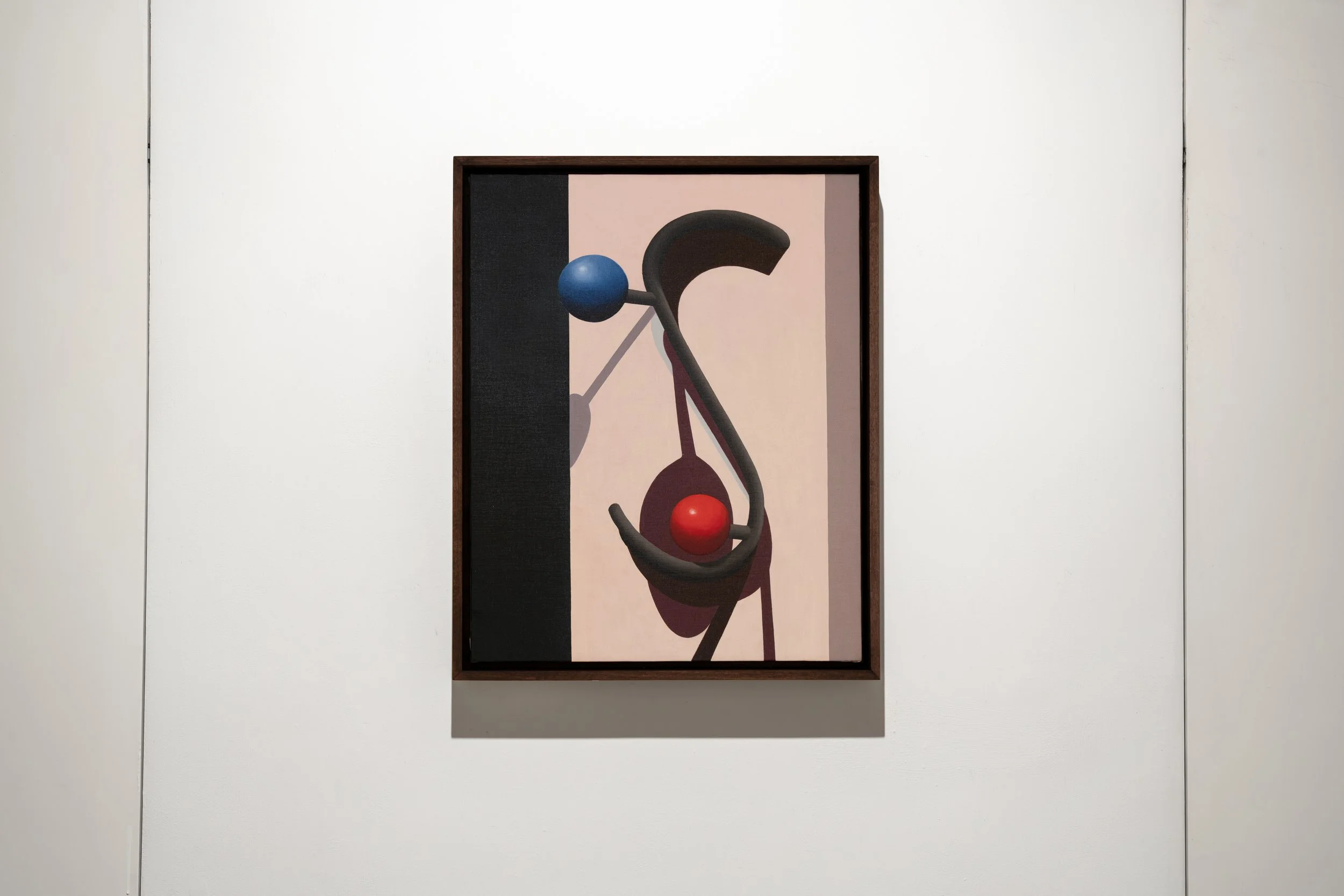
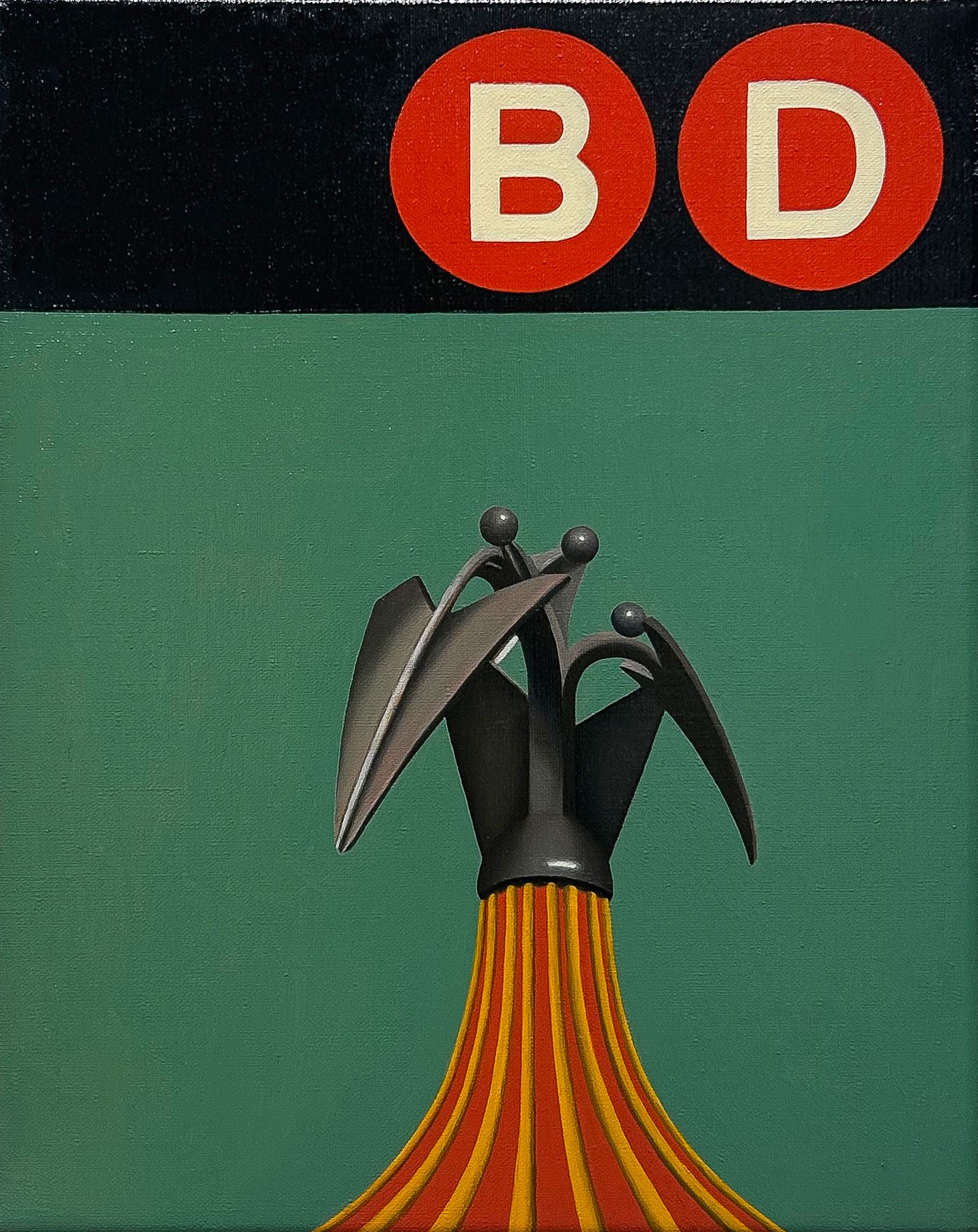
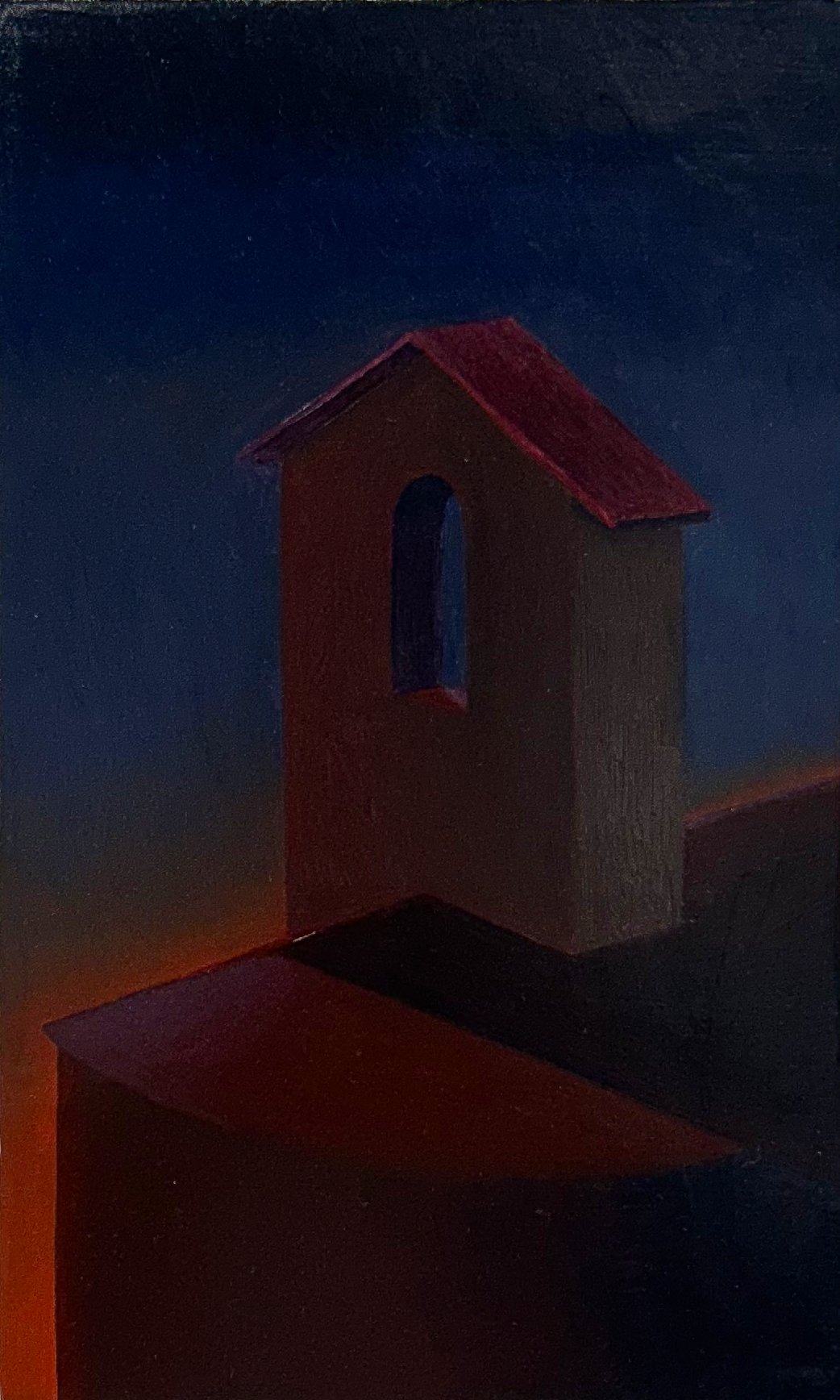
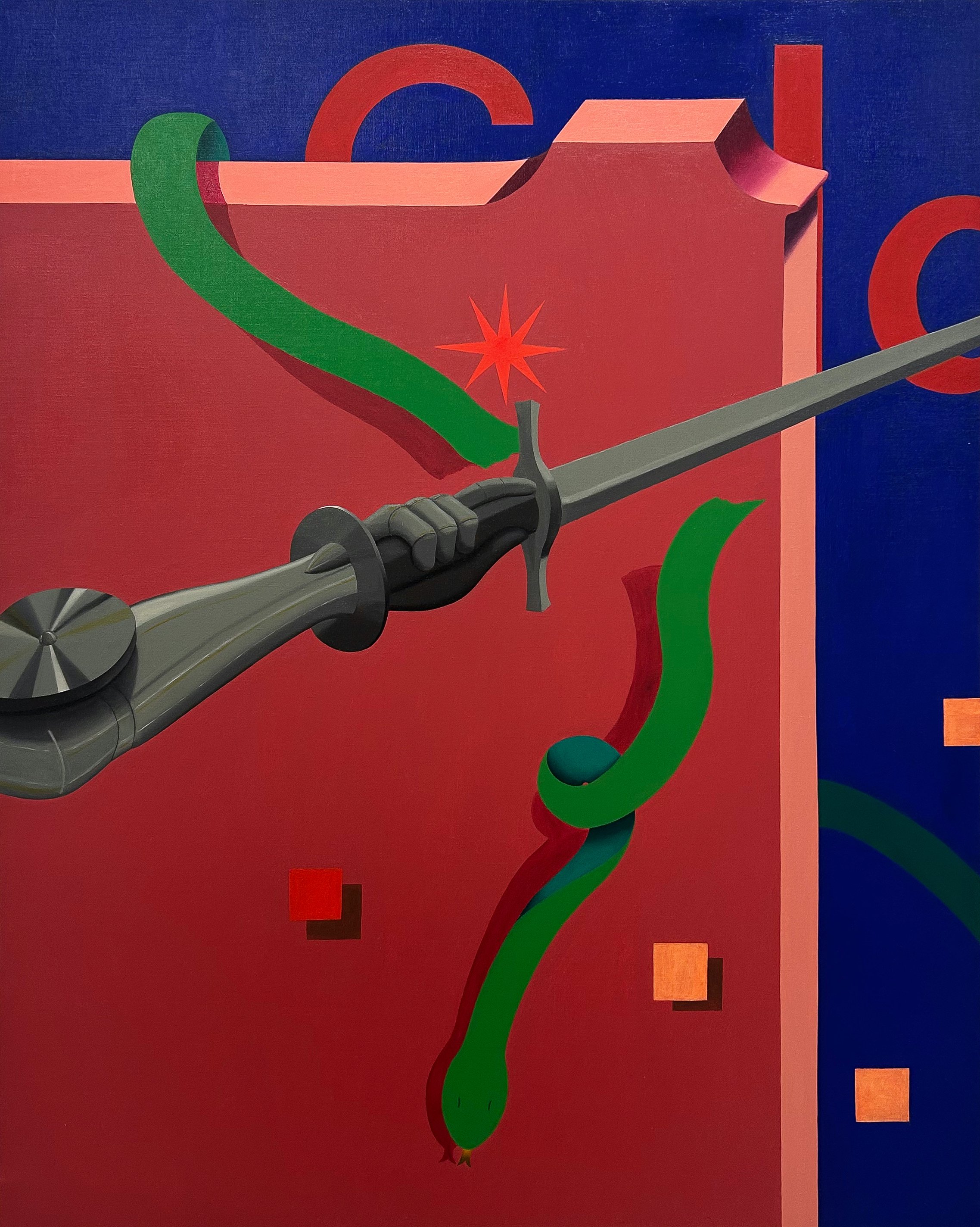
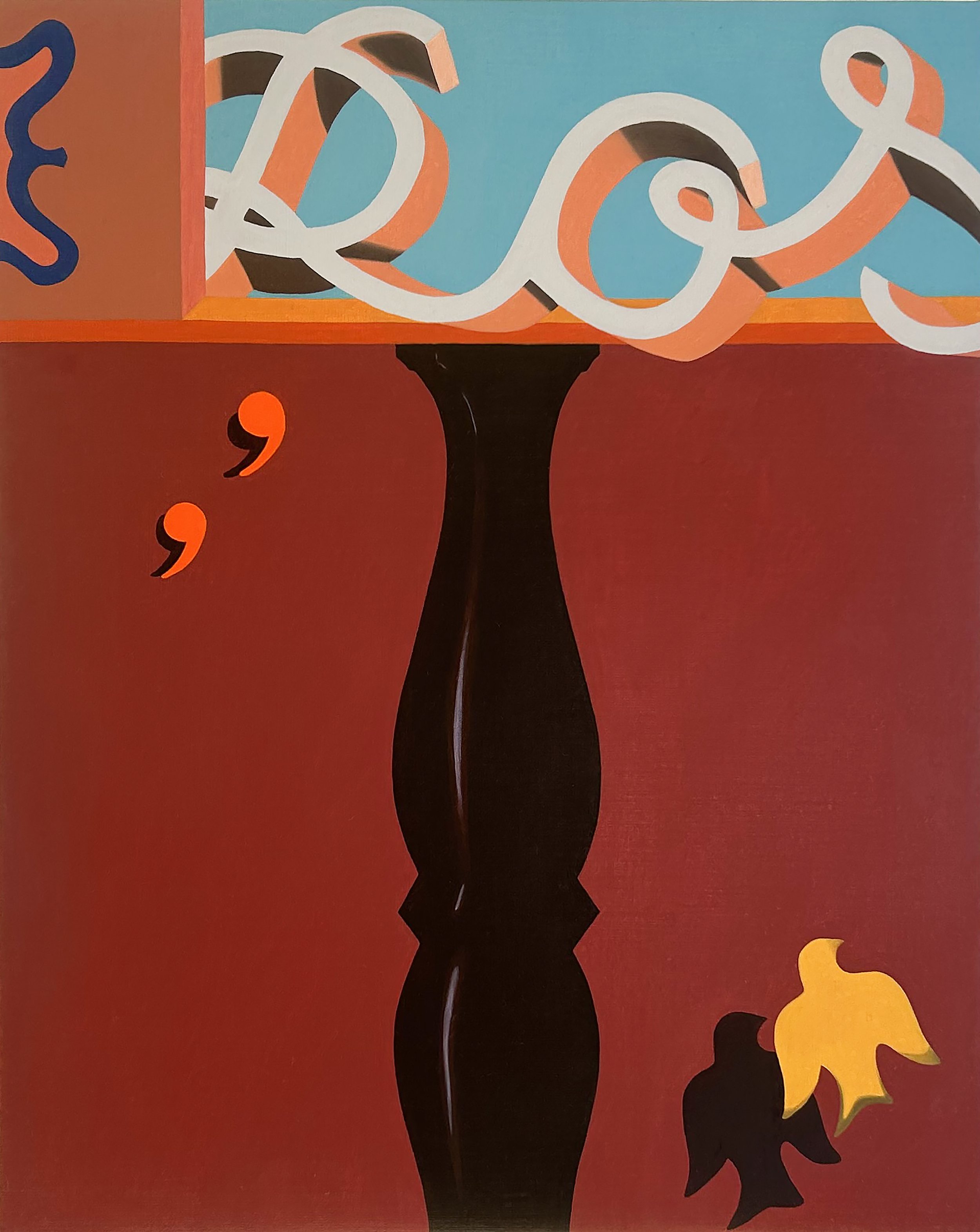
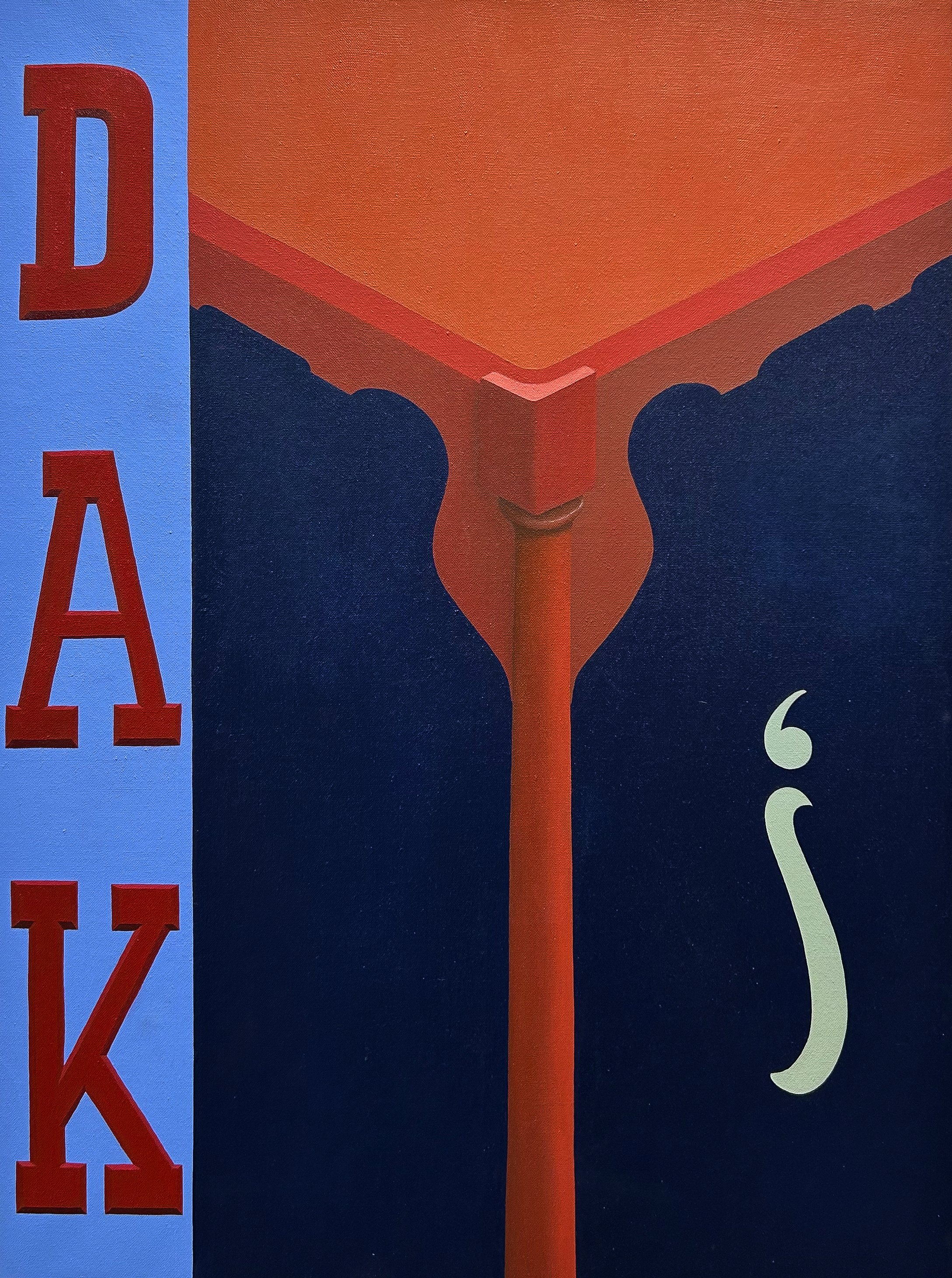
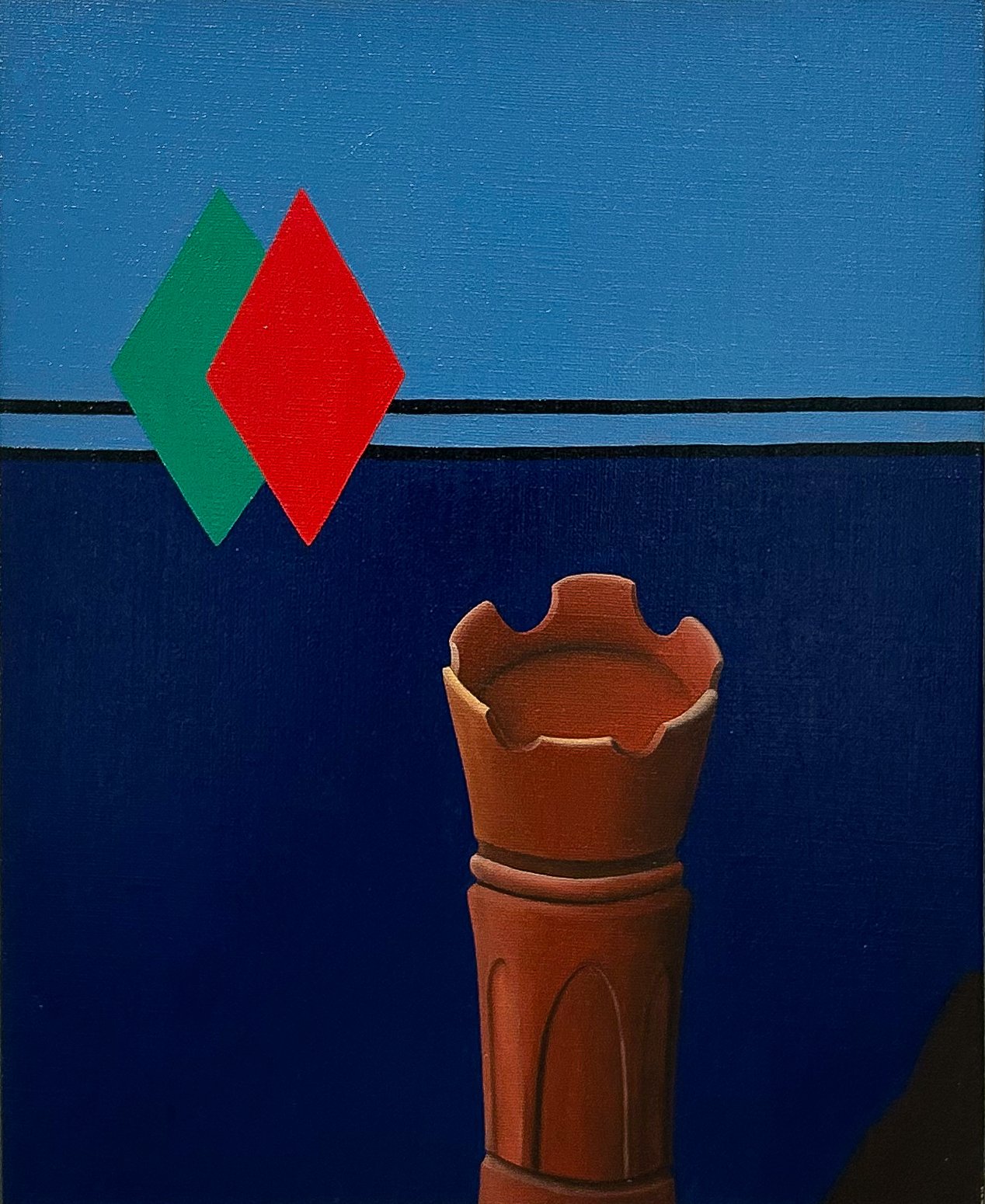
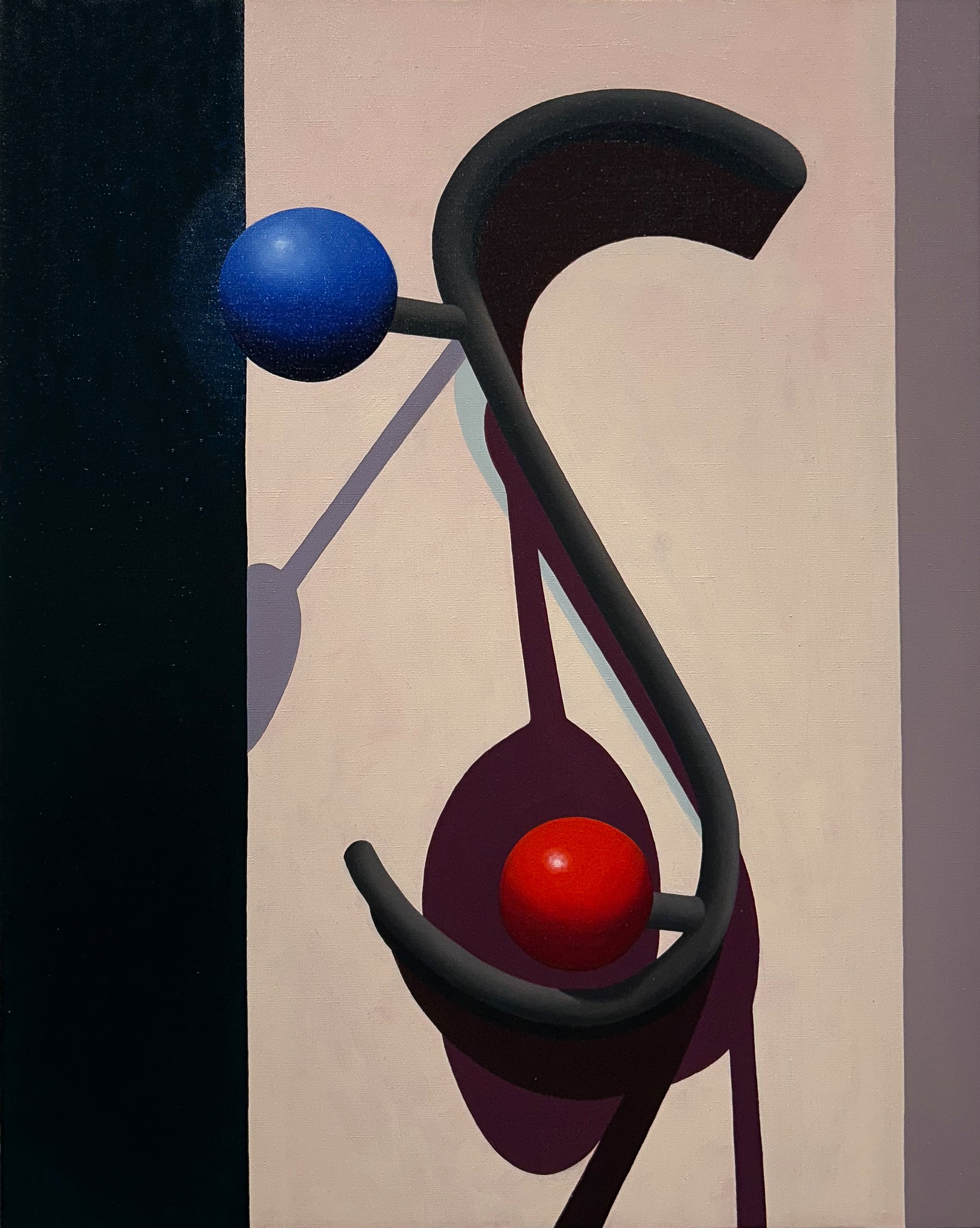
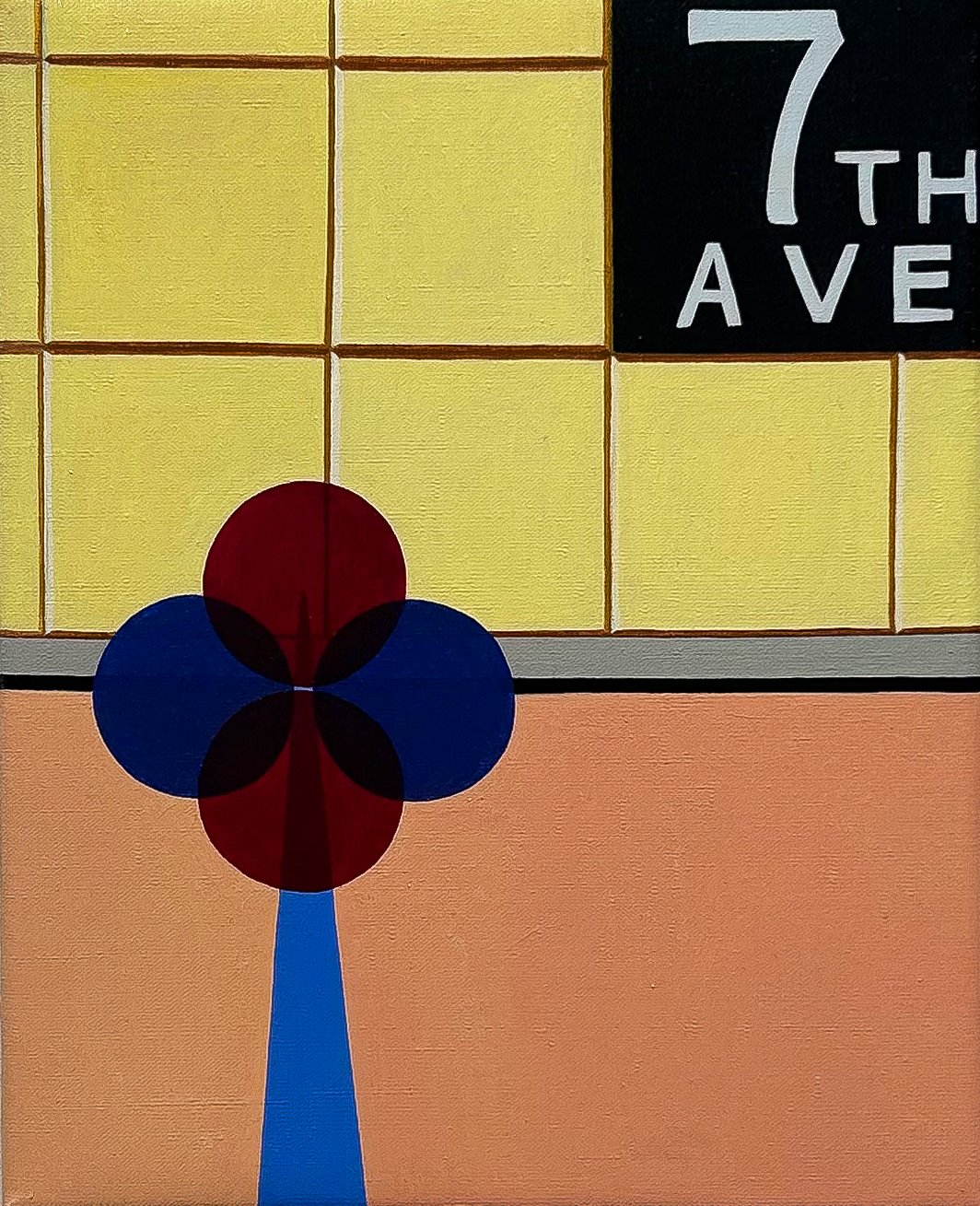
Luca Rubegni’s works invite the viewer into a disorienting game. Viewers may find themselves trying to decipher the origins of many images, texts, and objects juxtaposed in his paintings.They may also find themselves lost in the mystery of an alluded-to form that never reveals its function, but casually dissolves into something else. In either case, the impression is to stand before an unsolvable riddle, a series of misleading clues that, rather than pointing the way, seem to invite the viewer to lose their way.
The artist’s practice explores the underlying ambiguity of things: silent, motionless entities captured in their involuntary poses. This is the reverberation of the Metaphysical tradition, which Rubegni makes his own through suspended atmospheres, the juxtaposition of images drawn from disparate contexts, and a dialectical engagement with art history. In the exhibition Poco prima, subito dopo, echoes of the fifteenth-century painting can still be sensed in the occasional presence of architectural elements that punctuate the space. However, the exhibition marks a further step in the artist’s research, as he seeks to move beyond this framework, abandoning a clearly defined articulation of spatial planes in favour of an almost two-dimensional composition.
The paintings presented on this occasion reveal a more pronounced Pop sensibility, evident not only in the choice and rendering of subjects, but also in the approach to the image construction, which comes closer to collage. Within this new configuration, it is possible to glimpse the broad spectrum of his visual imagination, nourished by both art history and the diverse expressions of design. Everyday objects, typefaces, signs, furnishings, as well as clothing and toys, evoke a paradoxical nostalgia for a time the artist has never experienced, yet with which he seeks to establish a connection.
The coexistence of these elements within the same pictorial space transforms Rubegni’s settings into unexpected meeting places, rendezvous to which the human figure is not invited, while things engage in silent conversations. Perhaps someone has just left, or perhaps someone has yet to arrive.
PRESS REVIEW